

If you shoot weddings, small habits decide whether you blend in or stand out. The difference often comes down to effort, movement, and how seriously you take the job.
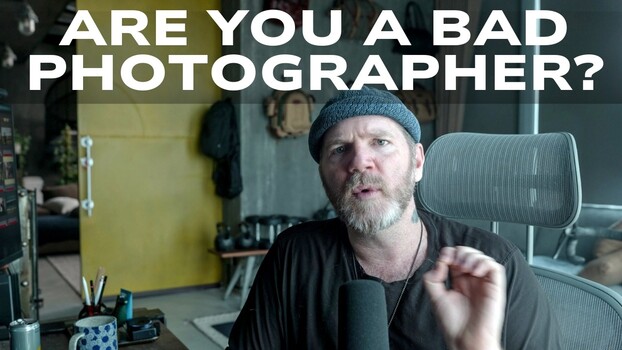
Coming to you from Justin Mott, this blunt video lays out a simple idea: if you want to be bad at weddings, stay comfortable. Mott describes watching two shooters plant themselves in one spot with 70-200mm lenses, barely moving, letting moments drift into their frame. They reacted instead of hunted. You have probably seen this. The lens does the work, the feet stay still, and every image feels like it was taken from the same patch of carpet. A 70-200mm is not the problem. The problem is using reach as a substitute for intention, and mistaking compression for creativity.
You should be moving. That means circling the room, anticipating reactions, shifting angles before the moment peaks. Weddings are not static events. Guests lean in. Parents tear up. The couple turns for a split second and the frame changes. If you stand in one place, you get proof that something happened. If you move with purpose, you get images that feel alive. Mott pushes the idea of earning your steps count during a wedding day. Not pacing aimlessly. Moving with awareness, positioning early, and refusing to let your “shot chart” come from a single angle.
He goes further. If you want to look average, shoot everything at eye level. Stay upright all day. Never kneel. Never climb. Never frame through a doorway or a shoulder. Variation in perspective separates a record shot from a crafted one. Get low when it adds drama. Step higher when it cleans up the background. Use foreground elements when they support the story. Not randomly. With intent. A gallery filled with 500 images taken from the same height and distance wears people out fast.
Coordination is another weak point he calls out. If you work with a second shooter or a video team, silence creates chaos. Two people on the same focal length, in the same place, covering the same angle wastes coverage. Mott explains how he would split focal lengths such as a 35mm and 85mm for himself, and a 24mm and 50mm for a second shooter, each assigned clear roles during the ceremony. One covers reactions. One stays locked on the couple. First kiss. One goes wide. One stays tight. Simple signals. Clear positions. No scrambling at the aisle.
Preparation shows in small details. Scroll through menus during the processional and everyone sees it. Forget spare batteries and you feel it. Knowing your gear should be automatic. Cards formatted. Batteries on your person. Backups ready. Expensive equipment cannot compensate for hesitation. Competence looks calm. Guests notice when you panic.
Editing is where many sink their own work. Flood a client with near-duplicates and force them to sort expressions themselves. Leave in unflattering faces. Sequence randomly. Mott talks about building two galleries: one comprehensive but still trimmed of weak frames, and another tighter edit with intention and flow. Overshoot important moments so you have options later. Then cut without mercy. Three similar smiles are not three different photos.
Color and style come last, and he is direct here too. If skin tones swing from magenta to green across a single gallery, you have not paid attention. A trendy preset cannot fix weak composition or bad light. Get the file right in camera. Use a preset only if it fits the client and holds up over time. Black and white is not a rescue plan.
There is one more layer in the video that goes beyond technique. Mott shares a memory of leading a team at a large wedding where the energy dipped. His reminder was simple: you chose to take the job. Effort does not scale with budget or prestige. If you say yes, work. Check out the video above for the full rundown from Mott.